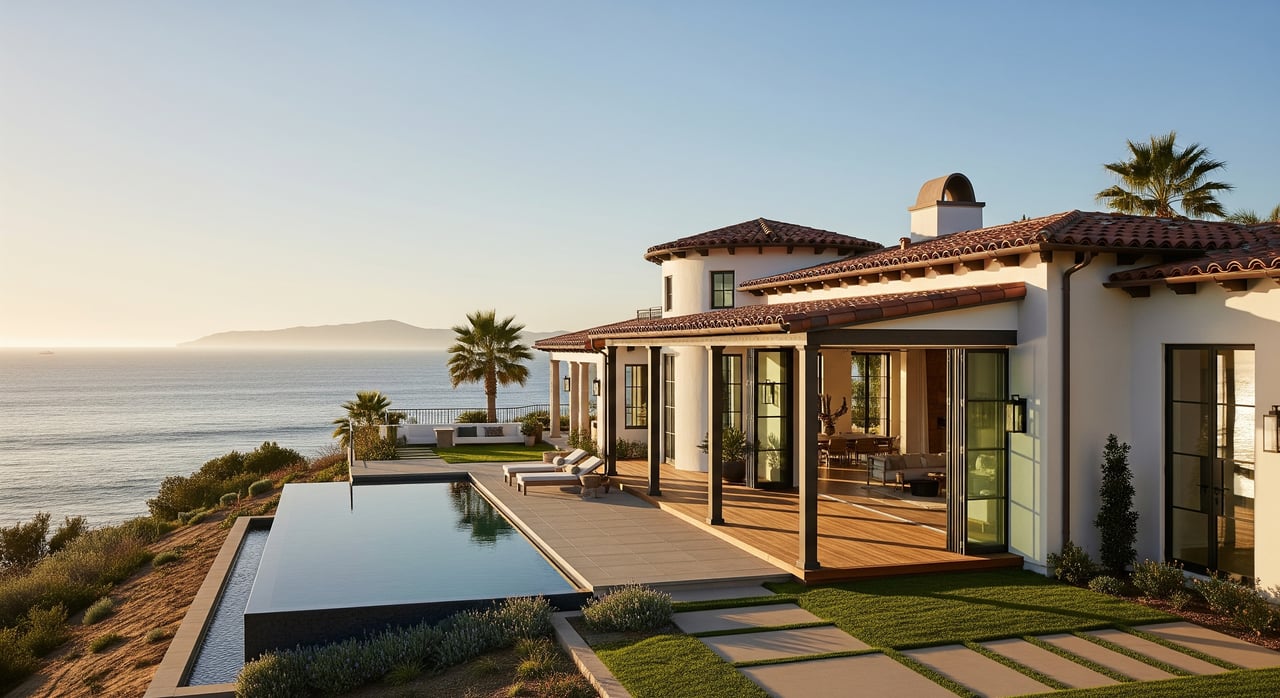
Looking at homes in Ventura and wondering what really drives prices, speed, and competition? You are not alone. Ventura offers coastal charm and hillside views, but those same features shape inventory, risk, and insurance in ways that matter for buyers. In this guide, you will learn how to read the market, compare micro-markets, and plan a smart offer timeline with Ventura-specific tips. Let’s dive in.
Read the market like a pro
Price, inventory, and demand
Median sale price shows where the middle of the market is, but the direction of prices over the last 30 to 90 days tells you more about momentum. Pair current active listings with new listings to see supply today versus supply coming soon. Watch pending and closed sales to gauge demand and transaction speed. If active listings divided by monthly sales equals less than 3 months of inventory, you are in a seller’s market; 3 to 6 suggests balance, and above 6 tilts to a buyer’s market.
Speed and competition signals
Median days on market shows how quickly homes go under contract. Shorter times signal stronger competition. The sale-to-list price ratio shows how close buyers are paying to the asking price. When you see a high ratio alongside short days on market, prepare for multiple-offer conditions. Also track the new pendings to new listings ratio. If new contracts keep pace with or exceed new listings, competition is heating up.
Affordability and mortgage rates
Mortgage rates directly affect what you can afford each month. When rates rise, purchasing power usually dips. When rates ease, more buyers step back in and competition can pick up. Keep your pre-approval current and talk with your lender about rate-lock options and scenarios so you can act quickly when the right home appears.
Understand Ventura’s micro-markets
Coastal neighborhoods
Coastal areas like Downtown-adjacent pockets and beachside communities often feature condos, townhomes, historic bungalows, and beach cottages. You will usually see a higher price per square foot, tighter inventory, and strong lifestyle-driven demand. Walkability and beach access are common priorities. Be ready for practical factors such as parking, occasional noise near activity centers, coastal building rules, and potential salt-air corrosion that can affect materials and maintenance.
Hillside neighborhoods
Ventura’s hillsides and ridges offer larger lots, privacy, and views. Many homes are single-family residences with more space for the price compared with prime beachfront. Practical considerations include slope and driveway grades, wildfire exposure, and potential geological or drainage issues. View premiums are real, but pricing can be more varied. Inspection focus and insurance planning matter here.
Inland and more affordable pockets
Inland parts of Ventura often provide more entry-level price points and a mix of older single-family homes. You may trade off beach proximity for budget, yard size, or access to transit and workplaces. Older building stock can bring routine maintenance or modernization needs, so budget for updates if you want turnkey finishes.
Questions to ask by area
- What were the median days on market and sale-to-list ratios in this neighborhood over the last 90 days?
- What are the 6 to 12 most comparable recent sales, and how do price per square foot trends compare?
- What parcel-level hazards apply here, such as wildfire zones, flood overlays, or coastal erosion areas?
- What are recent examples of insurance availability and premiums for similar homes?
Risk, insurance, and disclosures that matter
Wildfire exposure
Hillside and chaparral areas in Ventura County can face wildfire risk. That affects insurance cost and underwriting, and some homes may need defensible space or other mitigation. Ask for parcel-level wildfire hazard information and factor in potential timeline impacts if insurers need extra review.
Flood and coastal hazards
Low-lying coastal parcels may face flood or erosion risk. If a property sits in a mapped flood zone, your lender could require flood insurance. Review local coastal hazard planning and ask your agent for guidance on disclosure items specific to beachside and near-coastal homes.
Insurance reality in California
Homeowners insurance has seen more scrutiny statewide, especially in higher-risk zones. Start insurance conversations early and request quotes for a few comparable properties. This can add 1 to 3 weeks to your timeline, so plan ahead. Knowing realistic premiums upfront helps you compare homes more accurately.
Targeted inspections for Ventura
- Wildfire mitigation assessment: defensible space, roof condition, ember-resistant features.
- Foundation and geologic checks in hillside areas: slope stability, drainage, retaining walls.
- Coastal corrosion inspection: HVAC, connectors, exterior metal hardware.
- Flood, sewer or septic, and roof evaluations where applicable.
Seasonality and timing strategies
What to expect by season
- Spring: The most active season. New listings and buyer demand often peak, days on market trend shorter, and multiple offers are common.
- Summer: Demand stays solid, and inventory can rise. Move-in timing affects activity in mid to late summer.
- Fall: Activity tends to cool. This can favor buyers who want less competition and more room to negotiate.
- Winter: Slowest pace of the year with fewer listings. Sellers who list now are often motivated, and timelines for financing and inspections can run more smoothly.
Timing your approach
- If you want the most options, target spring and be prepared to move quickly.
- If you want value, consider late fall or winter when competition eases.
- Build 3 to 6 weeks into your plan from offer to close, and add time if a home sits in a high-hazard zone that may affect insurance or underwriting.
Offer tactics for any market
When inventory is tight
If months of inventory sit below 3 and median days on market are short, be ready with a strong offer. Have a solid pre-approval or proof of funds, use inspection windows that show seriousness without giving up protection, and consider an escalation clause after you review comparable sales. Discuss appraisal gap strategies carefully with your lender. If you miss out, a backup offer can still win.
In a balanced or buyer’s market
If months of inventory range from 3 to 6, you can often negotiate with normal contingencies and rely on recent comparable sales to support price. If inventory rises above 6 months, consider asking for seller concessions such as closing cost credits or repair credits, and take the time you need for inspections.
Your data checklist for smarter decisions
Ask your agent to compile a neighborhood-level packet that includes:
- 12-month and 90-day trend lines for median price, active listings, pendings, months of inventory, median days on market, and sale-to-list ratio.
- 6 to 12 comparable sales within the same micro-market, with notes on lot type and topography.
- Parcel-level hazard checks for wildfire, flood, and coastal erosion overlays.
- Recent example insurance quotes for similar homes and locations.
- Permit and code history, especially for remodeled or expanded homes in coastal zones.
How a local expert helps you win
Ventura’s coastal rules, hillside terrain, and insurance realities reward a prepared buyer. A local, data-driven plan makes all the difference. With more than two decades of Ventura County experience and credentials that include CLHMS and SRES, you get strategy, negotiation, and neighborhood insight tailored to you. From setting the right search parameters to crafting offers that stand out, a trusted advisor can help you secure the home and the terms that fit your life.
Ready to take the next step with a plan built for Ventura’s micro-markets? Connect with Heidi Golff for local guidance from search to close.
FAQs
How competitive is Ventura’s housing market right now?
- Competitiveness depends on months of inventory, days on market, and sale-to-list ratios; below 3 months of inventory often signals multiple offers and faster sales.
How do wildfire zones affect buying a home in Ventura?
- Wildfire exposure can increase insurance costs and underwriting time, so begin insurance quotes early and request defensible space and roof condition evaluations.
What is the best time of year to buy in Ventura?
- Spring brings more options and faster sales, while late fall and winter often offer less competition and more room to negotiate.
What should I know about coastal vs hillside homes in Ventura?
- Coastal homes emphasize lifestyle and access with potential flood or corrosion considerations, while hillside homes offer views and space with a stronger focus on wildfire and geologic inspections.
How do mortgage rates impact buying power in Ventura?
- Higher rates typically reduce purchasing power and may cool demand, while lower rates can boost affordability and increase competition, so keep your pre-approval current.
How long does escrow take for Ventura homebuyers?
- Many transactions close in 3 to 6 weeks, but add time if the property is in a high-hazard zone or if insurance and underwriting need extra review.