If you picture Ventura as all beach and laid-back neighborhoods, living near downtown might surprise you. This part of the city feels more like a compact coastal hub, where daily life often happens on foot, dinner plans can be spontaneous, and the beach is part of the rhythm of the week. If you are wondering whether downtown-adjacent living fits your lifestyle, this guide will help you understand what day-to-day life really looks like. Let’s dive in.
Downtown Ventura Feels Different
Downtown Ventura has a more urban feel than many nearby parts of the city. Main Street between Figueroa and Fir Streets, along with California Street between Main and Santa Clara Streets, has been closed to vehicle traffic since 2020, and the city says those blocks will remain pedestrian-priority while lawsuits are resolved.
For you as a resident, that changes the experience in a noticeable way. Instead of constant through-traffic, the area leans into walking, outdoor dining, street activity, and public events. That creates a lively environment that feels social and active, especially on evenings and weekends.
Housing Near Downtown
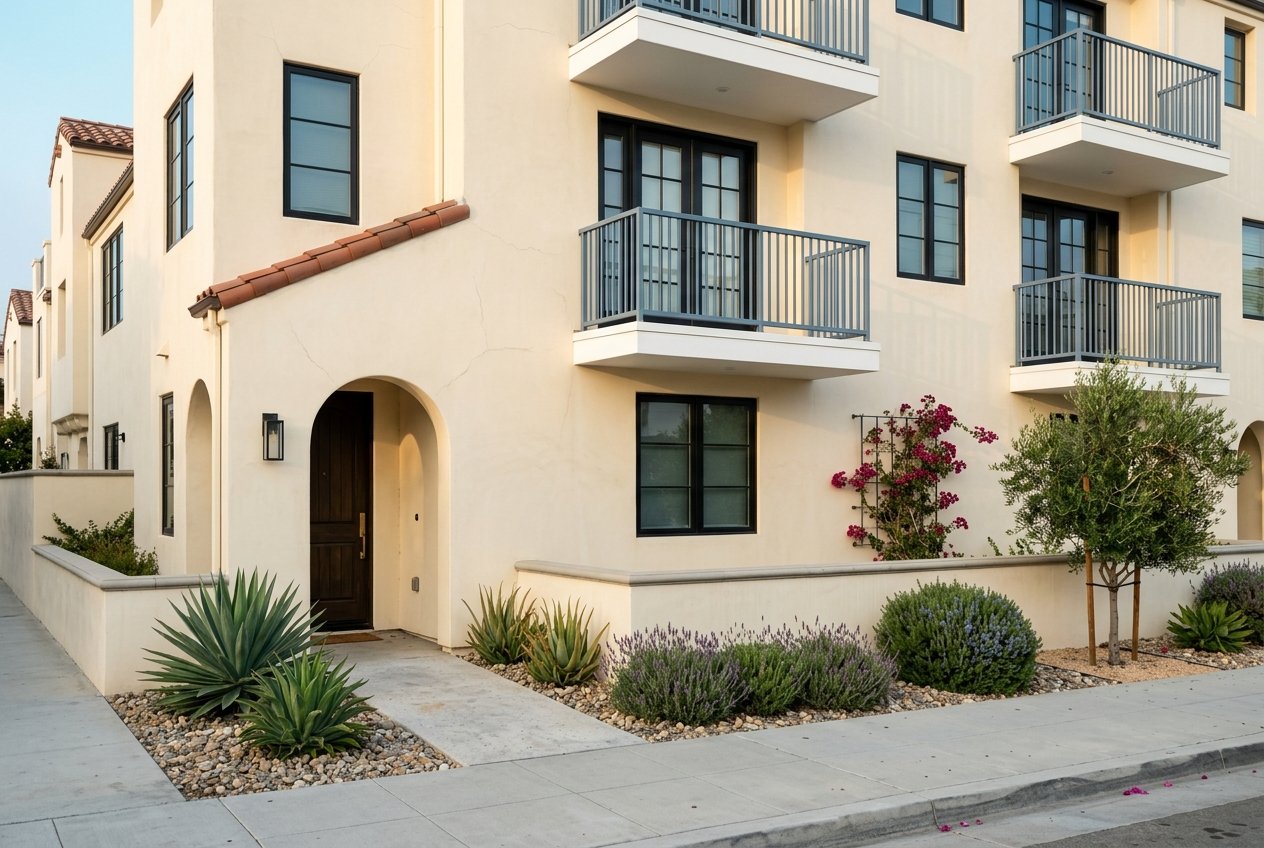
If you are looking near downtown Ventura, the housing mix is different from traditional single-family neighborhoods. City planning materials describe downtown as a place for mixed-use and residential development, including apartments, rowhouses, live-work spaces, and artist lofts.
That means your options may include more compact homes and multi-unit buildings, often with a stronger connection to shops, restaurants, and street life. If you want a home base that supports a lock-and-leave or low-maintenance lifestyle, this setting may appeal to you.
Expect a More Compact Layout
Living near downtown often means trading yard space for location and convenience. You may have less private outdoor space than you would in a detached-home neighborhood, but you gain easier access to dining, entertainment, and the waterfront.
For many buyers, that trade makes sense. If your priority is being close to what you enjoy instead of driving across town, downtown-adjacent living can offer real value in your day-to-day routine.
Walkability Is a Big Part of Life
One of the clearest benefits of living near downtown Ventura is how easy it can be to get around without relying on your car for every errand. The city provides a downtown walking-routes map, and the broader transportation network includes 60 miles of bike lanes, 35 miles of bike routes, and 34 miles of bike paths.
The city also says Ventura has more than 400 bicycle lockers and racks. If you like the idea of biking to coffee, walking to dinner, or heading toward the beach without dealing with heavy parking demand every time, this can be a major quality-of-life advantage.
Running Errands Feels Easier
In many suburban areas, even small errands require a drive. Near downtown Ventura, your routine can feel more connected and efficient because shops, restaurants, and cultural stops are grouped close together.
That does not mean you will never use your car. It means you may have more choices in how you move through your day, which is a big part of the appeal for buyers who want a more flexible lifestyle.
Parking Takes Planning
Downtown living comes with tradeoffs, and parking is one of them. The city says historic downtown has nearly 2,000 parking spaces across 14 city lots, a free parking structure, and on-street spaces, and it also offers an all-day parking permit program for downtown residents.
That is helpful, but it also tells you something important. Parking is managed as a system in this part of Ventura, not as an unlimited convenience. If you are considering a home near downtown, it is smart to think through where you will park, how often you will drive, and how much a walkable location matters to you.
Dining and Nightlife Are Close By
For many people, one of the biggest draws of downtown Ventura is how much there is to do within a short distance. Downtown sources say the district has more than 70 restaurants and live music venues, along with more than 100 unique shops and galleries.
The food-and-drink mix includes coffee shops, breweries, cocktail bars, Mexican food, sushi, ramen, pizza, and seafood. In practical terms, this gives you options for everyday meals, casual meetups, and nights out without needing a long drive home.
A Social Lifestyle Comes Naturally
If you enjoy being able to step out for coffee in the morning or meet friends for dinner after work, downtown Ventura makes that easier. The concentration of businesses supports a lifestyle where social plans can happen more spontaneously.
That kind of convenience matters if you are relocating from a more car-dependent area. It can make daily life feel more connected, especially if you enjoy staying active and out in the community.
Arts and Culture Shape the Area
Downtown Ventura is not just about restaurants and retail. It also has a strong arts identity, which gives the area more texture and personality.
The city’s 2025 ArtWalk release said the annual event returned to Downtown and Westside Ventura with more than 200 participating artists, dozens of venues, and performances by musicians, poets, dancers, and filmmakers along Main Street and Mission Park. Downtown also includes cultural destinations such as the Museum of Ventura County, the San Buenaventura Mission Museum, the Majestic Ventura Theater, and NAMBA Performing Arts Space.
Events Add Energy
If you live nearby, art and cultural programming can become part of your normal routine rather than a special outing. That might mean strolling through an event on Main Street, catching a performance, or visiting a museum on a free afternoon.
This is one reason downtown Ventura appeals to buyers who want more than just a home. They want a setting with activity, local identity, and things to do throughout the year.
Beach Access Is Part of the Appeal
Living near downtown Ventura also means being close to the coast in a practical, everyday way. The city says it oversees two beach areas in Ventura, including the stretch from Ventura Pier to Surfers Point and another from Marina Park to Camden Lane.
The city also notes that people come to Ventura to walk or ride bikes along coastal paths, and it groups downtown with the museum, mission, shops, and restaurants as part of a walkable core. For you, that can mean a lifestyle where beach walks, bike rides, and ocean air are not reserved for weekends only.
Transit Adds Flexibility
If you commute, travel often, or simply like having alternatives to driving, downtown Ventura offers several transportation options. The city says Gold Coast Transit serves Ventura, VCTC operates intercity bus routes, and the city is also served by rail.
Metrolink places the Ventura-Downtown/Beach station at 39 E. Harbor Blvd., and its codeshare information says Amtrak Pacific Surfliner service gives riders access to that station. The city also says the Oak Street off-ramp project is intended to improve pedestrian and bicycle safety and improve access and circulation between downtown and the beach area.
Helpful for Relocators and Second-Home Buyers
If you are moving from outside Ventura County or considering a second home, transit access can matter more than you expect. It gives you another layer of convenience and can make the area feel more connected to the rest of Southern California.
For some buyers, that flexibility is a deciding factor. It supports both daily routines and occasional travel without making the lifestyle feel overly car-dependent.
Who Usually Likes Living Here
Near-downtown Ventura tends to fit buyers who want a car-light, social, coastal lifestyle. If you like the idea of walking to dinner, biking to the beach, enjoying local events, and living close to arts and culture, this area may feel like a strong match.
It may be especially appealing if you are relocating, downsizing into a more convenient setup, or looking for a second-home lifestyle with easy access to dining and the waterfront. On the other hand, if you want a quieter setting with more separation from event activity, you may prefer a different part of Ventura.
What To Weigh Before You Buy
Every lifestyle choice comes with tradeoffs, and downtown Ventura is no exception. The benefits are clear: walkability, coastal access, dining, arts, and transit. The tradeoffs are also clear: parking management, event traffic, and a district that is still being shaped around pedestrian priority rather than private cars.
That is why local guidance matters. If you are serious about living near downtown Ventura, it helps to compare not just home prices, but also the way each block, building type, and access point might affect your daily routine.
If you are thinking about buying or selling near downtown Ventura, working with a local expert can help you match the neighborhood to the lifestyle you actually want. Heidi Golff brings deep Ventura County experience, thoughtful guidance, and a polished, personal approach to every move.
FAQs
What is daily life like near downtown Ventura?
- Daily life near downtown Ventura often centers on walking, dining, local events, arts, and easy access to the beach and waterfront.
What types of homes are common near downtown Ventura?
- Near downtown Ventura, you are more likely to find mixed-use housing, apartments, rowhouses, live-work spaces, artist lofts, and other compact multi-unit options.
Is downtown Ventura walkable for residents?
- Yes. The city supports downtown walkability with pedestrian-priority streets, a downtown walking-routes map, and a broader network of bike lanes, routes, and paths.
Is parking difficult near downtown Ventura?
- Parking is managed rather than unlimited. The city provides nearly 2,000 parking spaces in historic downtown and offers an all-day parking permit program for downtown residents.
What can you do near downtown Ventura?
- Downtown Ventura offers restaurants, coffee shops, shops, galleries, live music venues, museums, performing arts spaces, and annual cultural events such as ArtWalk.
How close is downtown Ventura to the beach?
- Downtown Ventura is closely connected to the coast, with access to beach areas, Ventura Pier, Surfers Point, and coastal walking and biking paths.
Is downtown Ventura a good fit for relocators?
- It can be a strong fit for relocators who want a compact coastal setting with dining, arts, transit access, and the option to be less car-dependent.